
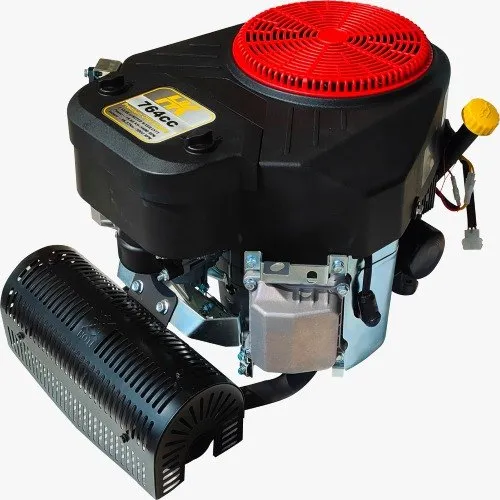
Proper inspection of a petrol long engine helps maintain smooth performance, fuel efficiency, and long-lasting durability. Regular checks can identify small concerns early and support reliable driving conditions. A well-maintained engine also contributes to quieter operation and better overall vehicle response.
Check for Oil Quality and Cleanliness
Engine oil plays a major role in lubrication and temperature control. During inspection, always examine the oil condition carefully.
Important Points to Inspect
- Check oil color and thickness
- Ensure the oil level is within the recommended range
- Look for metal particles or sludge buildup
- Confirm there are no oil leaks around seals and joints
Clean and fresh oil helps internal engine parts move smoothly and reduces unnecessary wear.
Inspect Cooling System Components
A healthy cooling system supports proper engine temperature and prevents overheating during long drives.
Areas That Need Attention
- Inspect coolant levels regularly
- Check hoses for cracks or softness
- Ensure the radiator remains clean and blockage-free
- Verify that cooling fans operate correctly
Maintaining proper cooling performance helps improve engine stability and reliability.
Examine Engine Sound and Vibration
Engine sounds can reveal useful hyundai Crate engine information about internal performance. Smooth operation generally indicates healthy engine condition.
Signs to Observe
- Listen for knocking or ticking noises
- Check for excessive vibration during idle
- Observe startup smoothness
- Ensure acceleration remains consistent
Balanced engine operation improves driving comfort and overall efficiency.
Inspect Spark Plugs and Ignition Parts
Ignition components support proper combustion and steady power delivery. Regular inspection helps maintain fuel efficiency.
Inspection Checklist
- Check spark plugs for carbon deposits
- Ensure ignition connections are secure
- Inspect wiring for wear or damage
- Confirm proper spark generation
Healthy ignition performance supports smoother starting and responsive acceleration.
Look for Fluid Leaks and Seal Condition
Leak inspections are essential for maintaining engine cleanliness and long-term durability.
Common Areas to Inspect
- Valve cover sections
- Oil pan connections
- Coolant pipe joints
- Gasket and seal surfaces
Early detection of leaks helps avoid major repairs and protects internal engine parts.
Inspect Air Intake and Filtration System
Clean airflow supports efficient combustion and better engine response.
Important Inspection Tips
- Check air filters for dust accumulation
- Ensure intake pipes are securely fitted
- Inspect for cracks or loose clamps
- Verify unrestricted airflow
A clean intake system can improve fuel usage and maintain consistent power output.
Evaluate Exhaust Performance
The exhaust system helps manage engine emissions and overall efficiency.
What to Observe
- Check for unusual smoke
- Listen for exhaust leaks
- Inspect mounting brackets
- Ensure smooth exhaust flow
Proper exhaust function contributes to balanced engine performance and cleaner operation. Routine petrol long engine inspections help improve reliability, reduce unexpected breakdowns, and maintain consistent vehicle performance. Careful monitoring of engine components also supports smoother driving and enhanced durability over time. Following a structured inspection routine allows the engine to operate efficiently while promoting better fuel economy and dependable everyday use.